

A house usually looks expensive because of a handful of decisions, not because everything in it cost a lot. Lighting that is warm and layered, furniture that fits the room, and surfaces with some texture tend to matter more than any single pricey purchase.
The ideas below cover renter-friendly styling changes, mid-range upgrades, and a few custom-level projects. Each one explains the design logic so you can borrow the principle even if you skip the exact version shown. Start with the ones that fit your budget and your lease.
1. Swap Harsh Overheads for Layered Warm Lighting
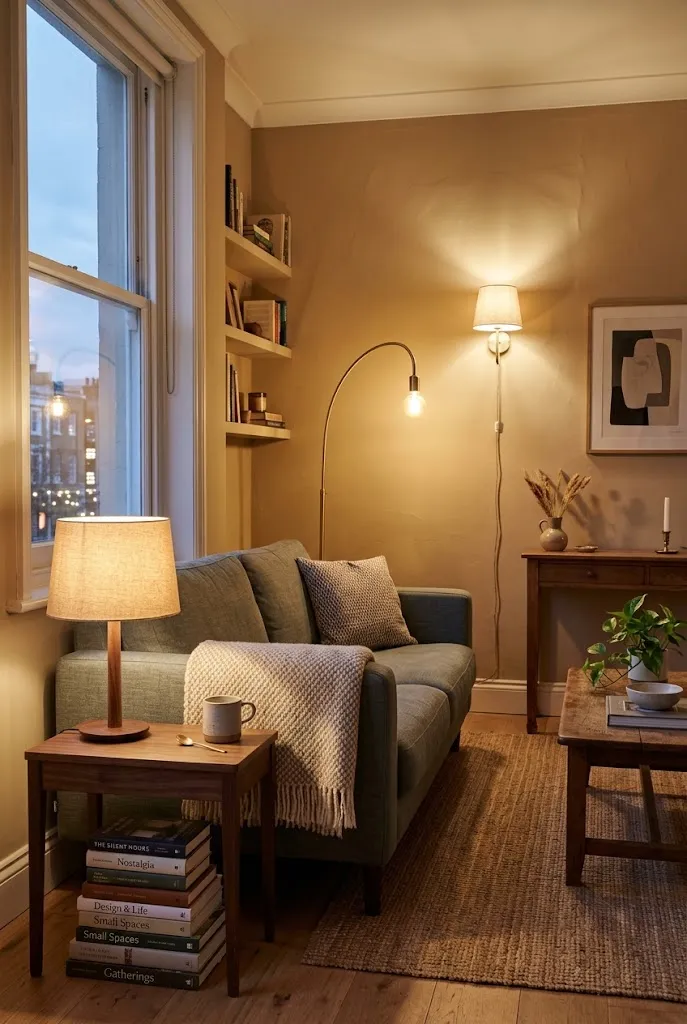
A single ceiling fixture flattens a room. Adding table lamps, a floor lamp, and a wall sconce at different heights creates pools of light, which gives a room depth and makes it feel designed.
- Use warm-white bulbs, generally in the 2700K range, for living areas and bedrooms
- Aim for at least three light sources in each main room
- Put a dimmer on the main fixture if your wiring allows it
- Choose lamp shades in linen or similar fabric so the glow looks soft
Quick Tip: Plug-in wall sconces with a cord cover work well in rentals and need no electrician.
2. Hang Curtains High and Wide

Curtains hung just above the window frame make the ceiling look lower. Mounting the rod a few inches below the ceiling line, or near it, and extending it past the frame on both sides makes windows look larger and the whole wall look more finished.
The fabric matters as much as the placement. Lined curtains in linen, a linen blend, or heavy cotton hang with fuller folds than thin polyester, and they block light better too.
| Option | Effect | Best Fit |
|---|---|---|
| Rod just above frame | Standard look, little height gained | Low ceilings with tight clearance |
| Rod near ceiling, extended wide | Taller, grander window wall | Most living rooms and bedrooms |
Common Mistake: Curtain panels that stop several inches above the floor. Better Approach: Let them skim the floor or just touch it, so the lines look intentional.
3. Add Applied Wall Molding in a Single Color

Simple picture-frame molding, built from inexpensive trim and painted the same color as the wall, adds architectural detail that reads as custom millwork. Painting everything one color, including the trim, is what makes it look intentional instead of busy.
- Measure the wall and sketch the rectangles on paper first, keeping spacing even.
- Attach the trim with construction adhesive and a few finish nails.
- Fill the seams with caulk and nail holes with filler.
- Paint the molding and wall together in a satin or eggshell finish.
This is a homeowner project. In a rental, check your lease before attaching anything to the walls.
Editor’s Note: Uneven spacing is the detail people notice first, so it’s worth marking the layout with painter’s tape before you commit.
4. Size the Rug So Furniture Actually Sits on It
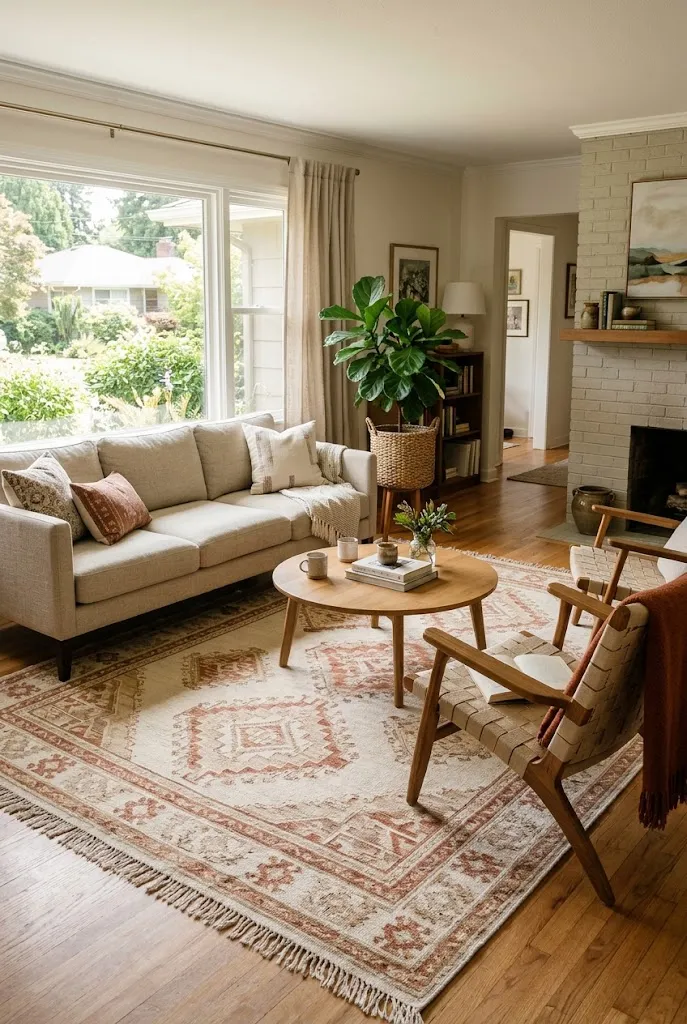
An undersized rug is one of the quickest ways to make a room look like a starter apartment. In a living room, a rug large enough for at least the front legs of the sofa and chairs ties the seating together and makes the room look larger.
- Living room: front legs of all seating on the rug, or all four legs if space allows
- Dining room: the rug should extend well beyond the table so chairs stay on it when pulled out
- Bedroom: the rug should extend out from both sides and the foot of the bed
Look for a low or flat weave in wool or a wool blend if you have pets or kids, since it’s easier to keep looking good than a high-pile shag.
Editor’s Note: If a rug in the right size is out of budget, layering a smaller patterned rug over a large inexpensive flat-weave jute rug is a practical workaround.
5. Choose One Oversized Mirror Instead of Several Small Ones
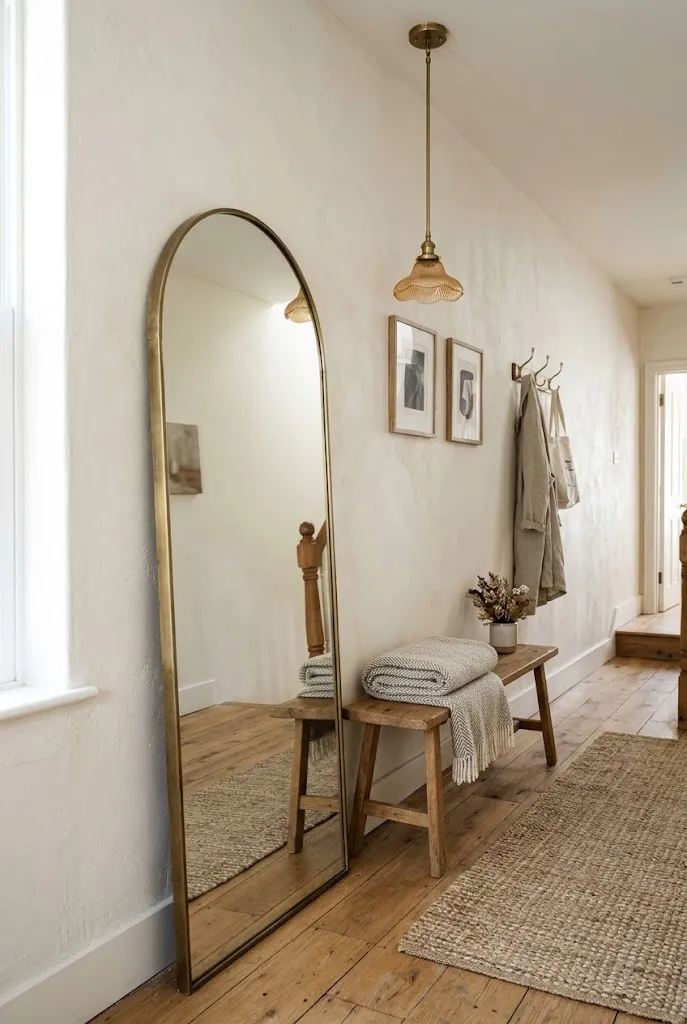
A large mirror bounces light across the room and adds scale. One substantial piece, leaned against the wall or mounted over a console, often looks more expensive than a cluster of small mirrors that can look busy.
Pair it with a quality frame. A simple wood, black metal, or aged brass frame usually looks more refined than an ornate plastic one. Place the mirror where it reflects a window or an attractive view, not a pile of clutter.
For renters, a floor mirror that leans against the wall needs no drilling. Secure it with an anti-tip strap if there are kids or pets.
6. Replace Builder-Grade Hardware

Cabinet pulls, door handles, and drawer knobs are small, and swapping them is among the cheapest upgrades available. Matching finishes throughout a room, such as brushed brass, matte black, or aged nickel, makes things feel coordinated.
- Measure the distance between screw holes (center-to-center) before you buy
- Choose weight and solid construction when you can, since lightweight hardware feels flimsy
- Keep finishes to two at most in a single room
Quick Tip: Keep the old hardware until the new pieces are installed in case the screw spacing doesn’t match.
7. Paint With a Considered, Limited Palette
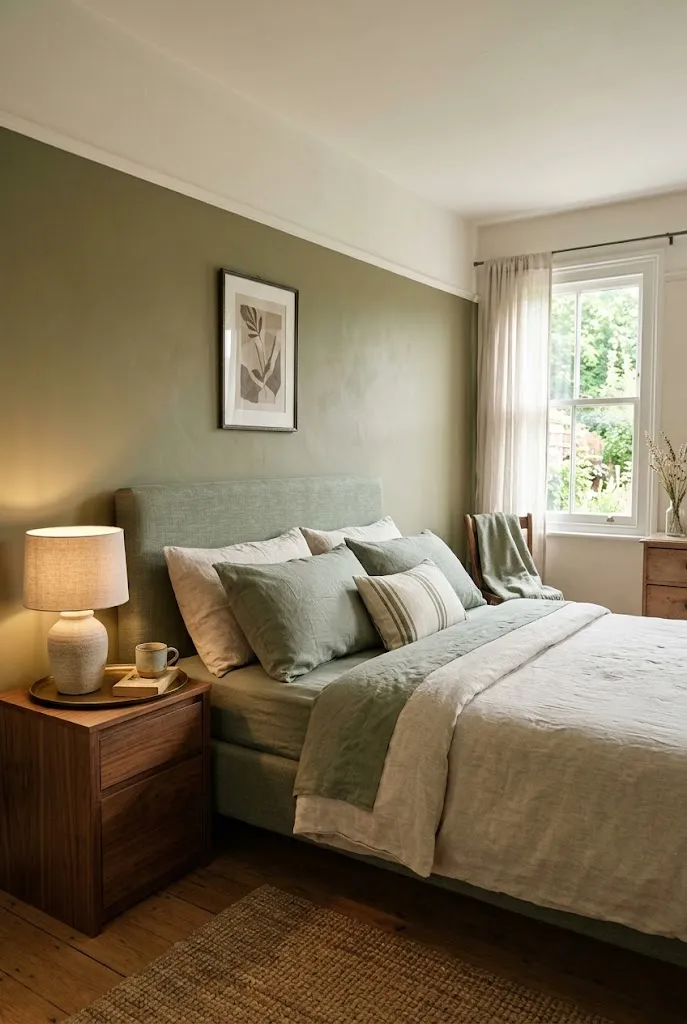
Rooms often look cheaper when they have too many unrelated colors. Sticking to a main wall color, a deeper accent, and a couple of repeated tones in textiles and decor makes a room look planned.
Pay attention to undertones. A warm white with a cool gray sofa can look off, while two neutrals that share a warm undertone usually blend well. Test large paint swatches on the wall and look at them in the morning, afternoon, and evening before you commit.
Finish matters too. A matte or eggshell finish hides wall flaws better than a glossy one, while a satin or semi-gloss finish suits trim and doors.
8. Style Shelves With Space to Breathe

Crowded shelves look like storage, not display. Group a few meaningful pieces, such as books stacked horizontally, a vase, and a framed print, and leave empty space around them so the eye has somewhere to rest.
- Mix heights, using books as risers
- Repeat one material or color, such as ceramic or wood
- Leave roughly a third of the shelf space open
- Add one organic element, like a branch or a small plant
The practical advantage is that fewer, better objects are easier to dust and rearrange.
9. Use Real Plants or Quality Greenery

A healthy plant adds life and softness to a room. A single large floor plant, such as a fiddle-leaf fig or rubber plant if your light suits it, can make a corner look finished. Match the plant to your light conditions instead of buying for looks alone.
Placement and containers matter. A plain ceramic or terracotta pot, or a basket used as a cachepot, looks more refined than the plastic nursery pot. If you can’t keep plants alive, a high-quality faux stem in a simple vase is a reasonable alternative, as long as it isn’t glossy or obviously plastic.
Check whether a plant is toxic to pets before you bring it home.
10. Invest in Quality Bedding and Layered Textiles

Bedding is among the most visible parts of a bedroom. Crisp cotton percale, soft linen, or a quality sateen, topped with a quilt or coverlet and a folded throw, looks substantial. Mixing textures, such as linen, wool, and cotton, adds depth.
- Start with good sheets and a duvet insert you like.
- Add a duvet cover in a solid or subtle pattern.
- Layer a coverlet or quilt at the foot.
- Finish with two or three pillows in varied sizes, not a pile.
Common Mistake: Too many decorative pillows that have to be removed every night. Better Approach: Choose a few well-sized pillows you’ll actually keep arranged.
11. Make Art and Frames Look Intentional

Gallery-style wall art looks more expensive when frames are consistent and the pieces are hung at the right height, with the center roughly at eye level, around 57 inches from the floor. Use mats inside frames to give prints more presence, even when the print itself is inexpensive.
Large pieces suit larger walls. A single oversized print, framed well, usually looks more considered than many small ones scattered at random. When you do hang a group, keep consistent spacing, around two to three inches between frames.
Quick Tip: Cut paper templates, tape them to the wall, and adjust the layout before drilling any holes.
Suggested Alt Text
Six matching black-framed botanical line drawings hung in a neat grid above a walnut sideboard.
12. Add Natural Stone or Stone-Look Surfaces

Materials like marble, travertine, or honed limestone signal quality even in small doses. A marble tray, a travertine side table, or a stone countertop remodel each bring natural variation that manufactured surfaces rarely match.
| Option | Effect | Best Fit |
|---|---|---|
| Small stone accents (trays, bowls) | Adds material richness with low cost | Renters and tight budgets |
| Stone side or coffee table | A real focal point | Mid-range upgrades |
| Stone countertop or backsplash | Permanent, high-impact upgrade | Homeowners planning a remodel |
Natural stone can stain or etch, so ask about sealing and care before you buy. A good quality stone-look alternative can capture the tonal effect, though it won’t have identical veining or durability.
Suggested Alt Text
Kitchen island with honed white marble countertop, a wooden board, and a bowl of green apples.
13. Choose Furniture That Fits the Room’s Scale
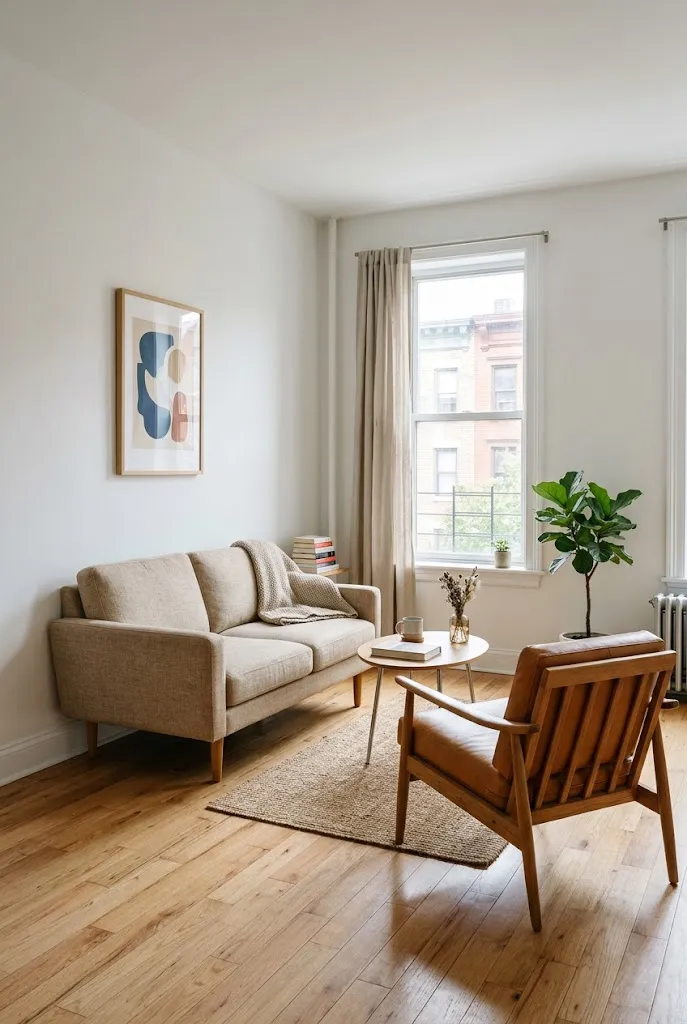
Oversized sectionals in small rooms, or tiny furniture floating in big ones, make a space feel off. Measure the room and the furniture, and leave walking paths of about 30 to 36 inches where people move through.
- In small rooms, choose pieces with visible legs, which keep floor area visible
- In larger rooms, float seating away from walls to create zones
- Mix a few substantial pieces with lighter ones
A well-chosen secondhand piece, like a solid wood dresser or a good armchair, often adds more character than a new flat-pack piece at the same price.
Editor’s Note: Mark the footprint of a new piece on the floor with painter’s tape before buying. It’s a quick way to catch size mistakes.
Suggested Alt Text
Small apartment living room with a compact legged sofa, a wooden armchair, and a round coffee table.
14. Upgrade Your Entryway First Impression

The entry sets expectations for the rest of the home. A console or bench, a mirror, a good light, and a place for shoes and keys make it look organized and welcoming.
- Use a catch-all tray or bowl for keys
- Add a runner or doormat in a quality weave
- Choose a statement fixture or a pair of sconces if the ceiling and wiring allow
- Keep coats and bags in closed storage or on neat hooks
For a small entry, a shallow wall-mounted shelf and hooks give structure without taking up floor space.
Suggested Alt Text
Entryway with a narrow wood console, round mirror, lamp, shoe basket, and wall hooks.
15. Add a Custom Built-In or Architectural Feature
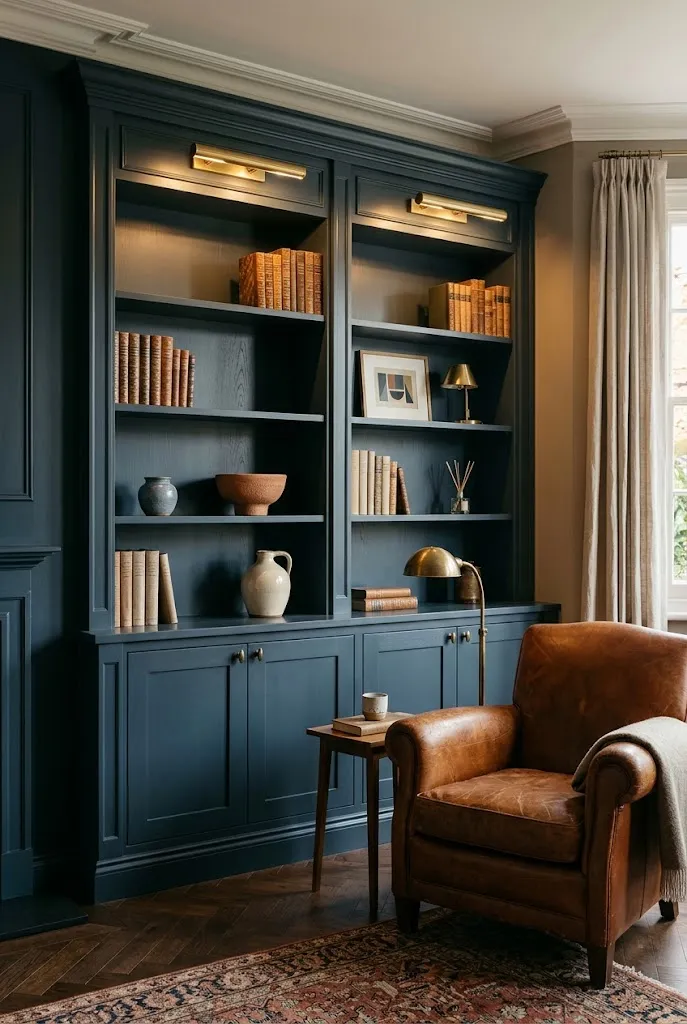
For homeowners with a larger budget, custom built-ins, a paneled accent wall, or a fireplace surround designed to fit the room are among the clearest signs of a high-end house. The value comes from proportion and craftsmanship, such as clean lines, consistent reveals, and materials that suit the home.
If custom work isn’t realistic, the principle still applies. Semi-custom cabinetry, carefully selected modular units painted to match the walls, and trim details can approximate the effect. These are different in quality and durability, so it helps to be realistic about what each option offers.
Common Mistake: Built-ins that don’t relate to the room’s proportions. Better Approach: Align the units with windows, door casings, or the fireplace so the lines look planned.