

A beautiful living room should feel just as comfortable as it looks. Whether you’re decorating a small apartment, refreshing a family room, or giving an open-concept space a new personality, the right combination of colors, furniture, lighting, and textures can make a noticeable difference.
The best living room inspo doesn’t always require expensive furniture or a complete renovation. Sometimes, rearranging your seating, introducing a textured rug, adding warm lighting, or choosing a more cohesive color palette is enough to create a room that feels thoughtfully designed.
From modern minimalist interiors to relaxed farmhouse spaces and elegant contemporary rooms, these 14 living room ideas offer inspiration for different homes, budgets, and decorating preferences. Each idea focuses on creating a welcoming atmosphere while keeping everyday comfort and functionality in mind.
1. Create a Cozy Neutral Living Room
Neutral living rooms remain a favorite because they offer a calm foundation that works with many decorating styles. Shades of warm white, cream, beige, taupe, and soft brown create a cohesive environment without making the space feel visually overwhelming.

Start with a comfortable sofa in a neutral fabric, then introduce variation through cushions, curtains, rugs, and decorative accessories. A cream sofa paired with a textured beige rug and warm wood furniture creates a soft, inviting appearance.
The secret to making a neutral room interesting is layering different materials instead of relying on color alone.
Consider incorporating:
- Linen curtains that soften natural light.
- A wool or cotton area rug with subtle texture.
- Wooden side tables that introduce warmth.
- Ceramic vases and decorative bowls for understated detail.
- Cushions in slightly different shades of cream, sand, and caramel.
Styling Tip: Choose warm undertones throughout the room. Mixing too many competing undertones can make an otherwise coordinated neutral palette feel disconnected.
This approach works particularly well in small living rooms because lighter colors and restrained decoration can help the space feel more open.
2. Add Warm Wood Furniture for Natural Charm
Wood furniture brings warmth, texture, and a sense of permanence to a living room. Whether you prefer pale oak, rich walnut, or rustic reclaimed wood, natural finishes can make a contemporary space feel more welcoming.
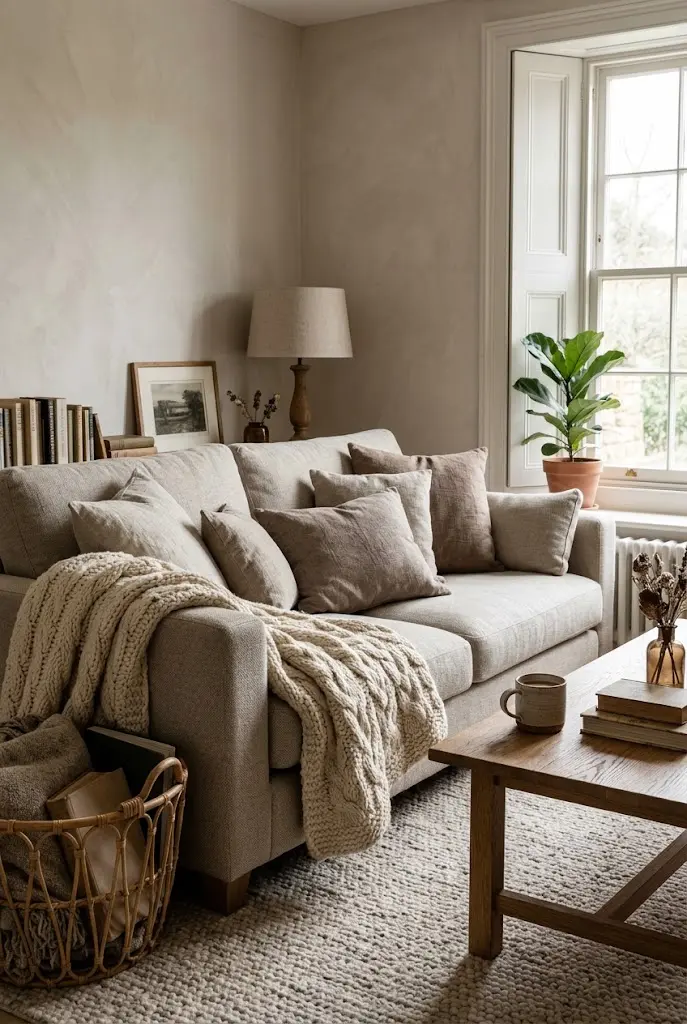
A wooden coffee table is an easy starting point. Pair it with a simple upholstered sofa, a woven rug, and a few thoughtfully selected accessories. If your living room already contains wooden flooring, choose furniture with a complementary finish rather than trying to match every piece exactly.
For a modern look, combine clean-lined oak furniture with cream upholstery and black metal accents. For a more traditional atmosphere, consider darker wood, patterned textiles, and softly rounded furniture.
You can introduce wood through several elements:
- A solid wood coffee table.
- Floating shelves for books and decorative objects.
- A wooden console behind the sofa.
- Side tables with visible natural grain.
- Picture frames in oak or walnut finishes.
Common Mistake: Using too many different wood tones without a connecting element can make a room feel disjointed. Repeat one or two finishes throughout the space to establish visual consistency.
Wood is also a practical investment because well-made furniture can adapt to changing colors, accessories, and decorating trends over time.
3. Design a Modern Living Room With Clean Lines
Modern living rooms often feel polished because their furniture, lighting, and accessories share a clear visual direction. Rather than filling every corner, this style emphasizes thoughtful placement, functional furniture, and a limited selection of materials.
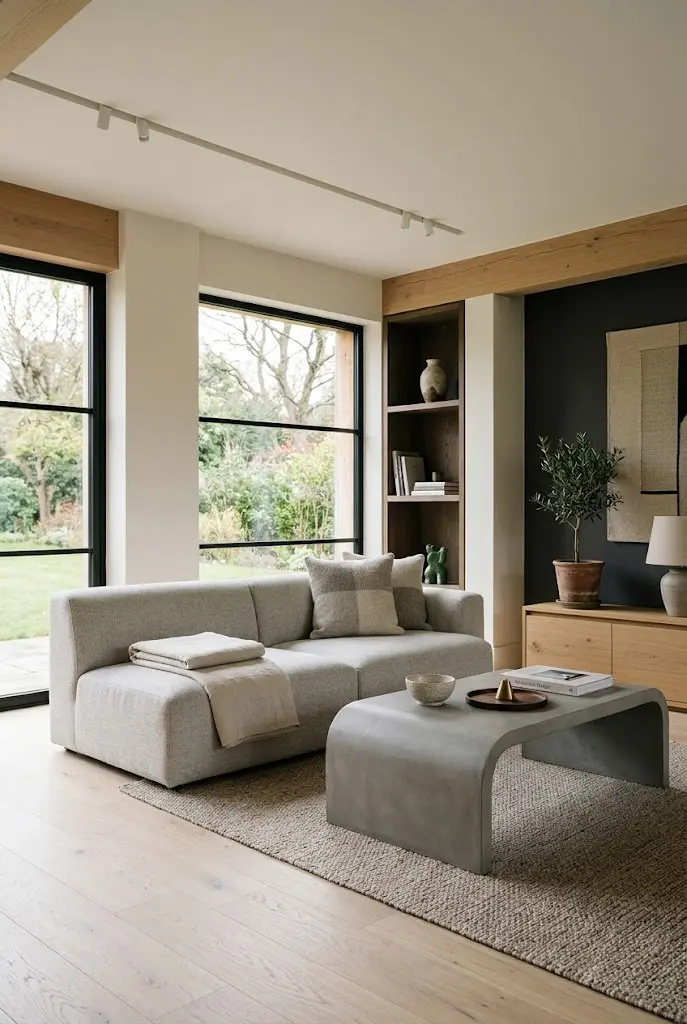
Begin with a streamlined sofa, a simple coffee table, and a restrained color palette. Warm white, charcoal, gray, black, and natural wood can work together to create a balanced interior.
Choose furniture with clean silhouettes, but avoid making the room feel too rigid. Upholstered seating, textured cushions, and a soft area rug introduce comfort without compromising the modern aesthetic.
To bring the look together:
- Select one main furniture style and repeat its design language.
- Keep decorative accessories intentional rather than excessive.
- Use a large artwork as a focal point.
- Choose lighting fixtures with simple, sculptural shapes.
- Conceal everyday clutter with closed storage.
A modern living room doesn’t need to feel cold or impersonal. Natural materials, warm lighting, and comfortable fabrics help soften the architectural lines.
For smaller homes, this approach is especially useful because fewer visual distractions can make the room feel more organized.
4. Make a Statement With a Comfortable Sectional Sofa
A sectional sofa can transform the way a living room functions, particularly when you want generous seating for family gatherings, movie nights, or casual entertaining.

The right sectional provides a comfortable anchor for the entire room. An L-shaped design works well in many layouts because it can define the seating area without requiring several separate sofas and chairs.
Before choosing one, measure the room carefully. Include enough space for walkways, cabinet doors, and access to other parts of the home. The sofa should feel substantial without blocking windows or dominating every available wall.
For a cohesive appearance, consider pairing your sectional with:
- A generously sized area rug.
- A rounded or rectangular coffee table suited to the layout.
- A floor lamp near the corner of the sofa.
- Coordinated cushions in two or three complementary colors.
- A side table for drinks, books, and everyday essentials.
In a small living room, a compact sectional with exposed legs can feel less bulky than a deep, oversized model.
Quick Tip: Use painter’s tape to mark the sofa’s dimensions on the floor before purchasing. This gives you a better sense of its footprint and helps identify potential traffic-flow problems.
5. Bring Nature Indoors With Green Plants
Indoor plants introduce natural color and organic shapes that can make a living room feel more relaxed. They also provide an easy way to soften rooms dominated by straight furniture lines, neutral upholstery, and hard surfaces.
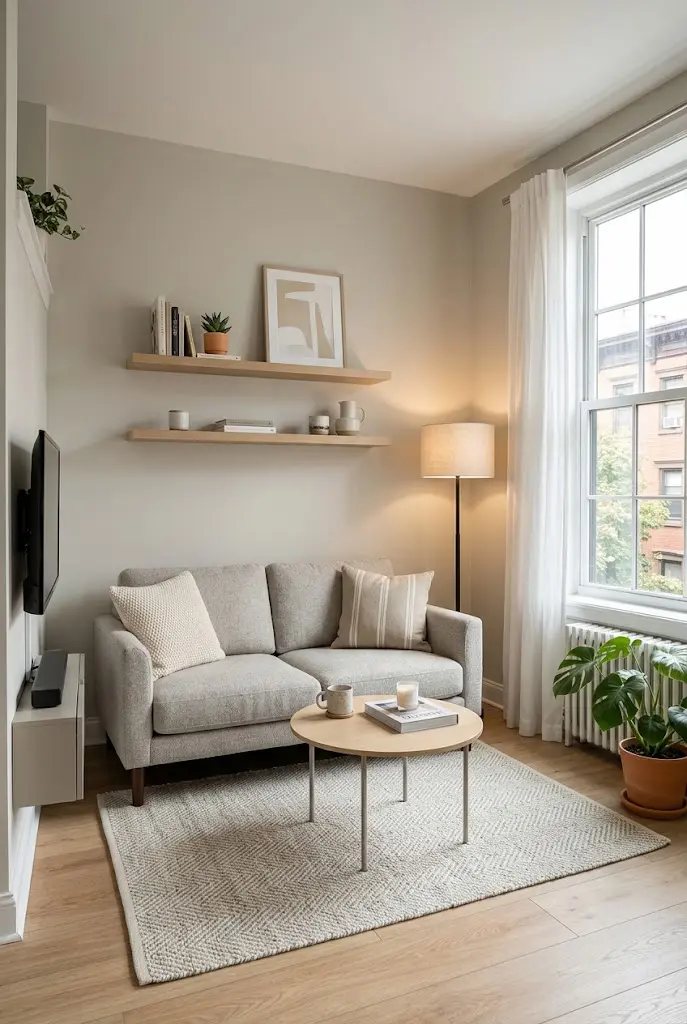
A large floor plant can fill an empty corner, while smaller plants work well on shelves, side tables, and window ledges. The goal is to create a few intentional green accents rather than overcrowd the room.
Choose plants according to the light conditions in your living room. A bright window may suit a different selection than a dim corner several feet away from natural light.
Some styling possibilities include:
- A tall floor plant beside a window.
- Small foliage plants displayed on a wooden shelf.
- A trailing plant on a high bookcase.
- A simple potted plant on the coffee table.
- A collection of planters in complementary ceramic or woven finishes.
Use planters that coordinate with your existing decor. Terracotta adds an earthy quality, while white ceramic and stone-colored pots suit more restrained interiors.
Remember that different plants have different watering, lighting, and humidity requirements. Choose varieties you can realistically maintain.
Plants can bring a living room to life without requiring a significant furniture investment, making them a useful option for renters and homeowners alike.
6. Use Layered Lighting to Create a Relaxing Atmosphere
Lighting can completely change how a living room feels throughout the day. A single bright overhead fixture may provide general illumination, but it often lacks the warmth needed for a comfortable evening environment.

Layered lighting combines several light sources so you can adjust the atmosphere according to the activity. General lighting provides overall visibility, task lighting supports reading or other focused activities, and accent lighting highlights artwork, shelving, or architectural details.
A practical lighting arrangement might include:
- A ceiling fixture for general illumination.
- A floor lamp beside the sofa.
- A table lamp on a side table or console.
- Small accent lights near shelves or artwork.
Choose fixtures that complement your decorating style. A fabric-shaded table lamp suits a traditional or relaxed interior, while a sculptural floor lamp can become a feature in a contemporary room.
Bulb color also matters. Warm-white lighting generally creates a softer evening atmosphere than cool, bluish light. Dimmers can provide additional flexibility when compatible with the fixture and bulbs.
Styling Tip: Position a table lamp near seating rather than scattering lamps randomly around the room. Lighting feels more purposeful when it supports the way the space is actually used.
7. Create a Stylish Gallery Wall
A gallery wall adds personality to a living room and helps make the space feel connected to your interests and preferences. It can feature framed photographs, abstract artwork, botanical prints, illustrations, or a combination of different pieces.

For a coordinated appearance, choose artwork that shares a color palette even when the subjects differ. Black frames with monochrome photography create a crisp, contemporary look, while natural wood frames and muted prints feel softer.
Planning the arrangement before hanging anything can save time and prevent unnecessary holes in the wall.
How to Arrange a Gallery Wall
- Choose the artwork: Select pieces that relate to one another through color, subject, or style.
- Plan the layout: Arrange the frames on the floor before transferring the design to the wall.
- Establish a focal point: Place the largest or most visually important piece where it anchors the arrangement.
- Maintain consistent spacing: Similar gaps between frames create a more intentional result.
- Relate the arrangement to the furniture: Position the gallery in proportion to the sofa, console, or wall beneath it.
A gallery wall above the sofa is a popular option, but artwork can also bring interest to a narrow wall beside a doorway or reading corner.
For renters, lightweight frames and removable hanging solutions may provide a suitable alternative to permanent installation, provided the products are appropriate for the wall surface and frame weight.
8. Introduce Soft Textures for a Cozy Living Room
Texture is one of the easiest ways to make a living room feel inviting. Even a room with a simple color palette can feel rich and comfortable when different fabrics and materials are layered thoughtfully.
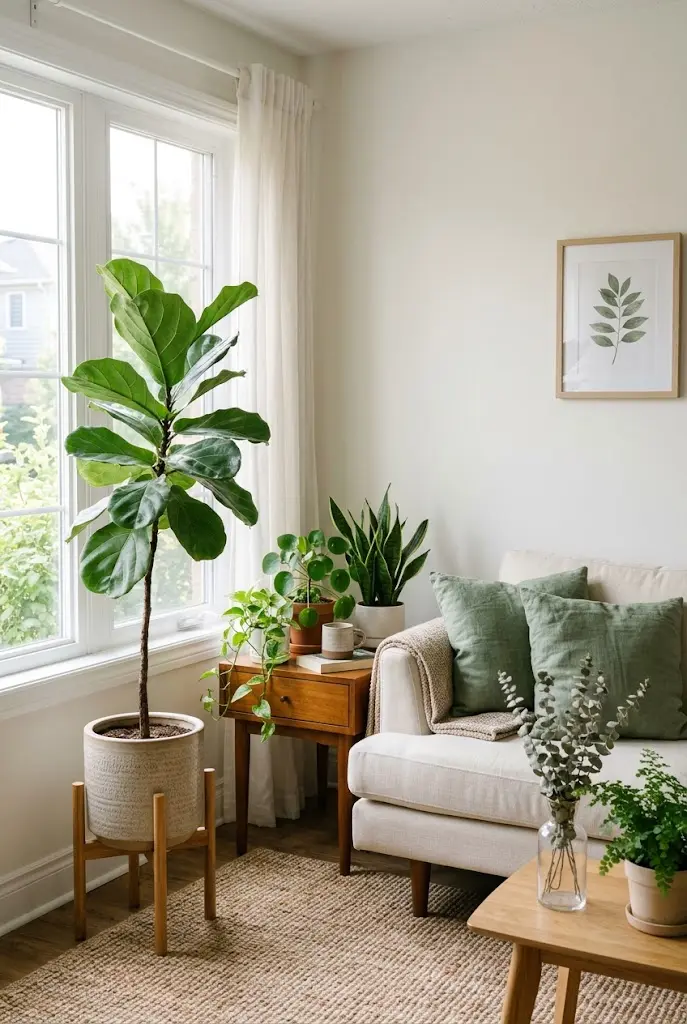
Consider how upholstery, rugs, curtains, cushions, throws, and decorative objects interact. A smooth leather sofa, for example, can feel more welcoming when paired with a soft wool rug and textured cushions.
Try combining these materials:
- Linen for relaxed curtains and cushion covers.
- Wool for rugs and throws.
- Cotton for everyday upholstery accents.
- Bouclé for a tactile accent chair or cushion.
- Woven baskets for natural texture and practical storage.
- Ceramic accessories for contrast against soft fabrics.
You don’t need to use every material in one room. Two or three complementary textures may be enough to create the desired effect.
Color variation also helps. A cream throw against a beige sofa may seem subtle, but the difference in texture gives the arrangement depth.
Do: Repeat a few materials in different parts of the room to create continuity.
Don’t: Add so many competing patterns and textures that the space feels busy.
For a small living room, textured accessories are especially useful because they can introduce character without requiring additional furniture.
9. Make a Small Living Room Feel More Spacious
Small living rooms benefit from furniture and decorating choices that preserve usable floor space. The objective isn’t necessarily to make every item tiny; it’s to create a layout that feels comfortable, balanced, and easy to navigate.

Start by identifying the room’s main function. If you primarily use it for relaxing and watching television, prioritize comfortable seating and clear circulation rather than filling the space with occasional furniture.
Several design choices can help:
- Choose furniture with visible legs. Sofas and chairs raised slightly above the floor can create a lighter visual impression.
- Use a properly sized rug. A rug that relates to the seating arrangement helps unify the room.
- Consider a round coffee table. Rounded edges can make movement around furniture easier in tight layouts.
- Use vertical space. Wall-mounted shelves provide storage without taking up additional floor area.
- Keep window treatments simple. Curtains positioned to frame the window can maintain a clean appearance.
- Reduce unnecessary clutter. Closed storage gives everyday belongings a designated place.
Mirrors can also help reflect available light and create a greater sense of depth, especially when positioned opposite or near a window.
Avoid assuming that a small room needs only small furniture. Several undersized pieces can create visual clutter. A comfortable sofa, one suitable coffee table, and a carefully chosen accent chair may work better than numerous smaller items.
10. Add Character With a Bold Accent Wall
An accent wall can give a living room a distinct focal point without requiring you to repaint the entire space. It works particularly well when you want to introduce color or architectural interest while keeping the rest of the room relatively simple.

The wall behind the sofa is a common choice, although a fireplace wall or the wall opposite the entrance may be more suitable depending on the layout.
Your color selection should relate to the existing furniture and finishes.
Consider these combinations:
| Accent Wall Color | Complementary Elements | Overall Effect |
|---|---|---|
| Deep forest green | Warm wood, cream upholstery, brass accents | Rich and grounded |
| Muted sage | Natural oak, linen, soft white | Calm and organic |
| Terracotta | Beige textiles, walnut, woven materials | Warm and earthy |
| Charcoal gray | Light upholstery, black metal, pale wood | Contemporary and dramatic |
| Dusty blue | White walls, light wood, neutral fabrics | Relaxed and understated |
Before painting, observe how natural light changes the wall’s appearance throughout the day. A color that looks soft in a bright room may appear much deeper in a space with limited daylight.
If you’re renting, removable wallpaper or artwork can introduce a similar focal-point effect without permanently changing the walls.
Keep surrounding accessories relatively restrained so the accent wall remains the main feature.
11. Style a Coffee Table With Simple Decorative Layers
A coffee table sits at the center of many living rooms, making it an ideal place to introduce small decorative details. Thoughtful styling can make the space feel finished while keeping the table functional.

Start with the table itself. Wood creates warmth, glass keeps the arrangement visually light, and stone introduces a more substantial appearance.
Then select a few objects of different heights and shapes. A small stack of books, a ceramic vessel, and a low decorative bowl can create an attractive composition without taking over the surface.
A simple arrangement might include:
- Two or three books related to art, design, travel, or personal interests.
- A ceramic vase with seasonal branches or flowers.
- A shallow bowl for small everyday items.
- A candle or sculptural object.
- A small tray to group accessories together.
You don’t need to display every decorative object you own. Leaving some of the surface clear creates breathing room and makes the table more practical.
A Simple Coffee Table Styling Method
- Place the largest object slightly off-center.
- Add a smaller item nearby to create a second point of interest.
- Introduce one element with a different height or texture.
- Step back and check that the arrangement doesn’t obstruct seating or everyday use.
For family living rooms, leave enough room for drinks, remotes, and other frequently used items. Decorative styling should support the space rather than make it difficult to live in.
12. Combine Modern and Vintage Furniture
A living room doesn’t need to follow one decorating period to feel cohesive. Combining modern furniture with vintage or secondhand pieces can create a more personal interior with a sense of history.

For example, a contemporary sofa can pair beautifully with a vintage wooden side table. A streamlined armchair might sit beside an antique cabinet, while modern artwork can provide contrast against traditional furniture.
The trick is to create a connection between pieces rather than making everything match.
Look for shared qualities such as:
- Similar wood undertones.
- Repeated colors in upholstery and accessories.
- Complementary proportions.
- A consistent level of visual simplicity.
- Contrasting materials that appear intentional.
A vintage piece can become the room’s focal point when the surrounding furniture is relatively restrained. Alternatively, a modern sofa can balance a more decorative antique cabinet.
When buying secondhand furniture, inspect its stability, construction, upholstery condition, and any signs of moisture or pest damage before bringing it home.
This approach can also be budget-conscious because one distinctive vintage find may provide more character than several new decorative accessories.
Editor’s Note: A room usually feels more collected when different pieces share a visual connection but don’t look as though they were purchased as a matching set.
13. Create an Elegant Living Room With Curtains and Window Treatments
Window treatments influence both the appearance and atmosphere of a living room. Curtains can soften architectural edges, add color, and create a more finished look, while blinds and shades provide practical control over privacy and daylight.
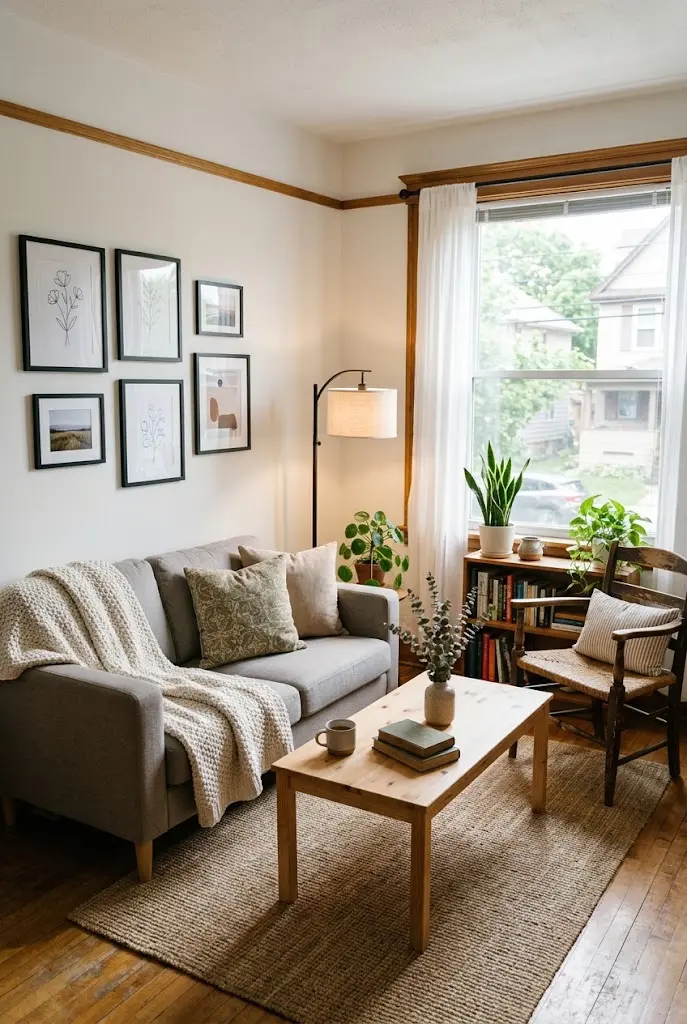
For a relaxed, elegant interior, consider linen-look curtains in warm white, oatmeal, or soft gray. Heavier fabrics in deeper colors can create a richer atmosphere, particularly when paired with substantial furniture and layered lighting.
Pay attention to the relationship between the curtains, windows, ceiling, and flooring.
Helpful considerations include:
- Length: Floor-length curtains often create a more continuous visual line.
- Width: Adequate fabric fullness helps curtains hang naturally.
- Color: Coordinating with the walls creates a quieter appearance, while contrast makes the window more prominent.
- Fabric: Lightweight materials allow more daylight through, whereas heavier fabrics provide greater coverage.
- Hardware: Curtain rods and tracks should suit the window treatment’s weight and the room’s design.
If the ceiling is low, mounting the curtain rod higher than the window frame can create the impression of greater height, provided the wall layout allows it.
For renters, tension rods or other removable options may be useful when drilling isn’t permitted.
Choose window treatments based on your actual privacy and light-control needs rather than appearance alone. Bedrooms, street-facing windows, and rooms with strong afternoon sun may require different solutions.
14. Finish the Room With a Thoughtful Color Palette
A cohesive color palette brings furniture, textiles, artwork, and decorative accessories together. Without some connection between these elements, even attractive individual pieces can make a living room feel disorganized.

Begin with one dominant color, then select a supporting shade and a smaller accent color. This doesn’t mean every item must match; it simply gives the room a clear visual direction.
Here are four combinations worth considering:
Warm and Natural: Cream, beige, caramel, and oak create a relaxed atmosphere suited to organic materials and comfortable upholstery.
Fresh and Botanical: Sage green, warm white, natural wood, and muted brown bring a gentle connection to nature.
Modern and Moody: Charcoal, soft gray, walnut, and muted black create depth without requiring an entirely dark room.
Soft and Colorful: Dusty blue, blush, ivory, and light wood introduce color while keeping the overall effect gentle.
Once you’ve selected your palette, repeat the colors in different places. For example, a muted green accent chair might relate to the green in a piece of artwork or a few cushion covers.
This repetition creates a sense of continuity even when the room contains furniture from different collections.